
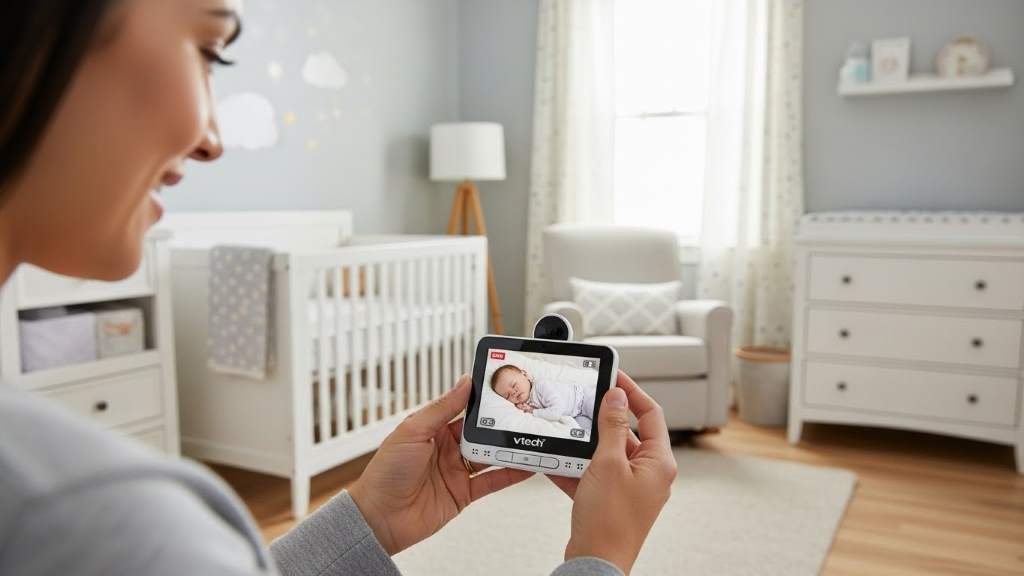
New parents often face tough decisions when choosing gear for their little ones. One big question pops up repeatedly: Should you go with a WiFi-connected baby monitor or stick to a non-WiFi option? Both types help you keep an eye on your sleeping baby, but they work differently and come with unique advantages. For instance, many families appreciate the flexibility of a wireless baby monitor like the VTech VM901 Smart 1080p Baby Monitor, which offers both local and remote viewing options.
Experts note that video monitors dominate the market today. In fact, surveys show that over 60% of parents prefer video options for real-time visual checks. Additionally, the U.S. baby monitor market continues to grow rapidly, driven by heightened awareness of child safety. However, concerns about security and health risks make the choice complex. This article dives deep into the debate to help you decide what fits your family best.
Understanding WiFi and Non-WiFi Baby Monitors
Baby monitors have evolved far beyond simple audio devices. Today, parents choose between WiFi-enabled models and traditional non-WiFi ones.
WiFi baby monitors connect to your home internet. They stream video and audio directly to your smartphone or tablet. Many include a baby monitor with smartphone app for easy access from anywhere. This setup allows remote viewing, even when you’re at work or out running errands.
Non-WiFi monitors, on the other hand, use dedicated radio frequencies like FHSS or DECT. They pair a camera with a handheld parent unit. No internet required means the signal stays local and private.
Both types provide clear video and sound. Yet, their differences in connectivity lead to varied experiences. For example, WiFi models often offer higher resolution and smart features. Non-WiFi options prioritize simplicity and reliability.
Key Advantages of WiFi Baby Monitors
WiFi monitors shine in convenience and advanced capabilities. Parents love the freedom they provide.
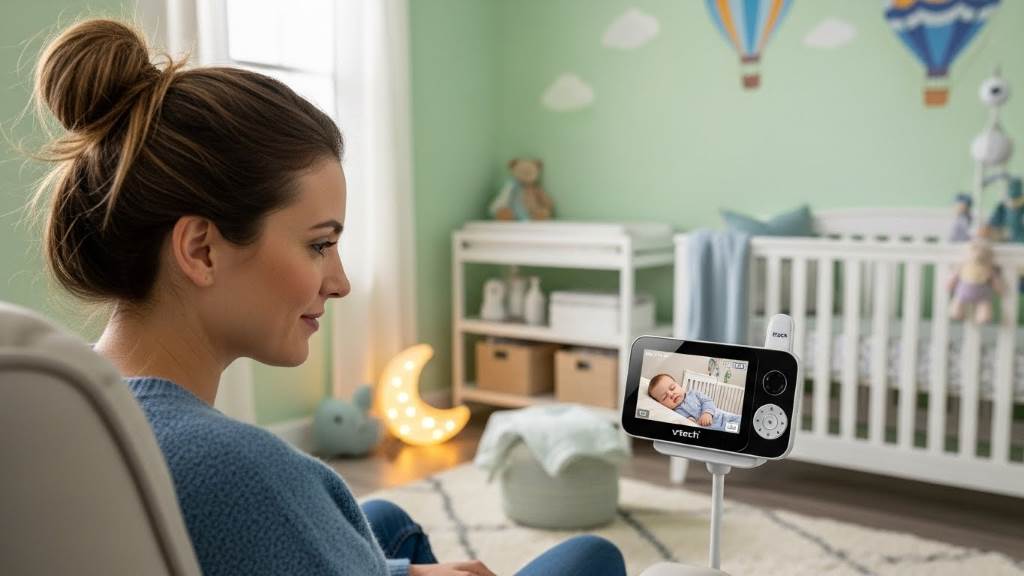
First, remote access stands out. You can check on your baby from anywhere with an internet connection. This proves invaluable for working parents or those who travel frequently.
Next, integration with smart homes adds appeal. Many models work with voice assistants like Alexa or Google Home. You can view feeds on smart displays or get notifications alongside other home alerts.
Additionally, features like HD video, motion detection, and two-way talk enhance monitoring. Some even include sleep tracking or cry analysis through apps.
However, these perks rely on stable internet. Outages can disrupt service temporarily.
Benefits of Non-WiFi Baby Monitors
Non-WiFi monitors offer strengths that appeal to many families seeking peace of mind.
Reliability tops the list. They don’t depend on WiFi, so signals remain consistent even during internet downtime. This ensures uninterrupted monitoring at home.
Setup proves straightforward. Most models pair automatically with no apps or accounts needed. Parents appreciate the plug-and-play ease.
Battery life often lasts longer on parent units. Many provide hours of portable use without recharging.
Moreover, range performs well in larger homes. Dedicated signals penetrate walls better than crowded WiFi bands in some cases.
Security Concerns: Hacking Risks Compared
Security remains a top worry for parents considering WiFi options.
WiFi monitors connect to the internet, creating potential vulnerabilities. Reports of hacking incidents, though rare, have occurred. Hackers sometimes access feeds through weak passwords or outdated firmware.
In contrast, non-WiFi monitors stay offline. They use closed-loop systems, making remote hacking nearly impossible. Signals transmit directly between units without external exposure.
Experts emphasize that proper setup minimizes WiFi risks. Strong unique passwords, two-factor authentication, and regular updates help secure devices. Still, many parents prefer non-WiFi for inherent privacy.
Government initiatives like the FCC’s Cyber Trust Mark aim to label secure IoT devices, including monitors.
Health Considerations: EMF Exposure
Electromagnetic fields (EMF) from wireless devices raise questions about long-term effects.
All wireless monitors emit low-level radiofrequency energy. WiFi models transmit continuously when connected. Non-WiFi options, especially those with eco-modes, reduce emissions by activating only on sound or motion.
Research on EMF and infants remains ongoing. The WHO classifies radiofrequency as possibly carcinogenic, but no direct links to baby monitors exist. Children may absorb more due to developing bodies.
Regulatory bodies like the FCC set exposure limits well below harmful levels. Parents can minimize risks by placing units several feet from cribs.
Some families opt for low-EMF non-WiFi models for extra caution.
Features and Performance Breakdown
Modern monitors pack impressive tools to aid parenting.
Video and Audio Quality
WiFi monitors often deliver 1080p or higher resolution with crisp night vision. Non-WiFi units provide clear 720p or better on dedicated screens.
Range and Reliability
Non-WiFi models claim up to 1000 feet in open areas. Real-world tests show strong performance through walls. WiFi depends on your router’s coverage.
Extra Features
- Temperature sensors alert to room changes.
- Lullabies and white noise soothe babies remotely.
- Pan-tilt-zoom cameras cover wide nursery views.
- Split-screen supports multiple cameras for siblings.
WiFi options excel in app-based extras like recordings. Non-WiFi focuses on core essentials.
Related:
Fix HDMI Not Detecting Second Monitor: A Step-by-Step Guide
The Ultimate Parental Monitoring Solution
Spotlight on the VTech VM901
The VTech VM901 bridges both worlds effectively. This hybrid model functions as a non-WiFi monitor with its 5-inch parent unit. It also connects via WiFi for smartphone viewing.
Key highlights include:
- 1080p full HD camera with remote pan-tilt-zoom.
- Clear night vision and two-way talk.
- Local direct mode for secure home use.
- App access for remote checks when needed.
Users praise its versatility. Families enjoy reliable local monitoring daily while having remote options for occasions away from home.
This dual approach addresses common concerns. You get non-WiFi privacy most times, plus WiFi convenience selectively.
Factors to Consider When Choosing
Your lifestyle guides the best pick.
Consider home size and layout. Larger spaces benefit from strong dedicated ranges.
Think about travel needs. Portable non-WiFi units suit visits to grandparents.
Evaluate tech comfort. App lovers lean toward WiFi. Simplicity seekers choose non-WiFi.
Budget plays a role, though both types vary widely.
Prioritize must-have features like multiple cameras or sound activation.
Finally, weigh risks versus benefits. Secure WiFi setups work well for many. Others value non-WiFi’s offline nature.
Real Parent Experiences and Recommendations
Parents share diverse stories online and in surveys.
Many with WiFi monitors rave about remote peace of mind. They check babies during date nights or work breaks.
Others switched to non-WiFi after connection frustrations. They appreciate unwavering signals and no app hassles.
Hybrids like the VM901 earn praise for flexibility. Users toggle modes based on situations.
Top non-WiFi picks include Infant Optics DXR-8 Pro and Babysense models for reliability.
Conclusion
WiFi and non-WiFi baby monitors both excel at keeping watch over your little one. WiFi offers unmatched convenience and smart features for connected families. Non-WiFi delivers superior privacy, reliability, and simplicity for those prioritizing security.
The VTech VM901 stands out as a strong contender. Its hybrid design combines the best of both, providing secure local viewing with optional remote access.
Ultimately, assess your needs carefully. Choose what brings you the most confidence in your baby’s safety. Explore options thoroughly and select the monitor that lets you rest easier at night.
FAQs
What are the main differences between WiFi and non-WiFi baby monitors?
WiFi monitors stream to apps over internet for remote access. Non-WiFi use dedicated signals to a parent unit for local, offline viewing. WiFi adds smart features but needs connection. Non-WiFi focuses on privacy and reliability.
Are WiFi baby monitors safe from hacking?
Risks exist but remain low with precautions. Use strong passwords, enable 2FA, and update firmware. Non-WiFi eliminates remote hacking entirely.
Do baby monitors emit harmful radiation?
All wireless models emit low-level EMF. Levels stay within FCC safety limits. Place units away from cribs to reduce exposure. Research shows no proven harm from typical use.
Can I use a baby monitor with smartphone app without WiFi?
Pure non-WiFi models lack app support. Hybrids allow local use without internet, switching to app only when connected.
Which type of baby monitor is best for large homes?
Non-WiFi often provides better dedicated range. Test real-world performance, as walls affect both types.
References
- Forbes Vetted: Best Non-WiFi Baby Monitors 2025. https://www.forbes.com/sites/forbes-personal-shopper/article/best-non-wifi-baby-monitor/
- Consumer Reports: Best WiFi Baby Monitors of 2025. https://www.consumerreports.org/babies-kids/baby-monitors/best-wifi-baby-monitors-a5924061523/
- WHO: Electromagnetic Fields and Public Health. https://www.who.int/news-room/fact-sheets/detail/electromagnetic-fields-and-public-health-mobile-phones