
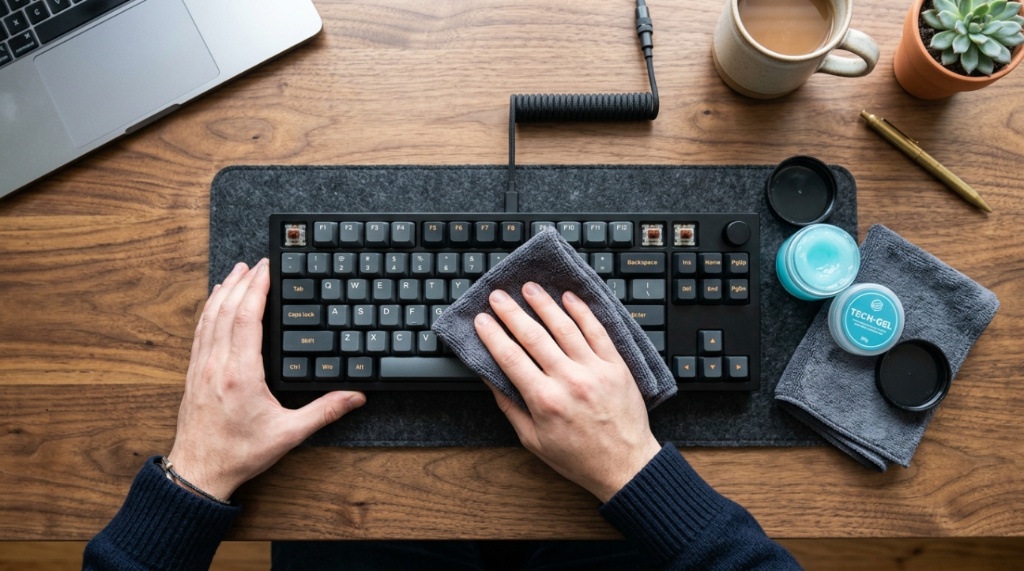
Let’s be honest: Missouri’s weather is a dust magnet. One minute you’re enjoying a sweet tea on your porch in St. Louis, the next you’re staring at a crusty film of dirt embedded in your keyboard. Crumbs from BBQ, pollen from the Ozarks, and that mysterious sticky residue from a popped soda can—your keyboard takes a beating. You know you need to clean it, but professional cleaning services are pricey, and buying a high-tech gadget might blow your budget. The hunt for affordable keyboard cleaners Missouri can feel overwhelming, but it doesn’t have to be. This guide will walk you through practical, wallet-friendly solutions that actually work, without the guesswork.
What Qualifies as an “Affordable” Keyboard Cleaner in 2026?
An affordable keyboard cleaner is any tool or solution under $30 that effectively removes dust, debris, and germs without damaging your device. In 2026, the market has shifted toward reusable and multi-purpose cleaning tools rather than disposable wipes. This means you get more value for your money, especially if you maintain a strict budget. The key is to look for versatility—a cleaner that works on your laptop, desktop, and even your smartphone is a smarter investment than a single-use product.
Breaking Down the Cost of Cleaning Gear
When searching for budget-friendly options, you’ll encounter three main price tiers. The first is DIY solutions, which cost almost nothing, using household items like isopropyl alcohol and microfiber cloths. The second is manual tools like compressed air dusters and keyboard brushes, typically priced between $8 and $15. Finally, electric mini vacuums or air blowers range from $20 to $30. For most Missourians, the sweet spot lies in combining a $10 air blower with a $5 microfiber kit for complete coverage.
Why Reusable Options Are the Real Money-Savers
Single-use cleaning wipes seem cheap upfront, but costs add up quickly if you clean weekly. A $3 pack of wipes lasts a month if you’re frugal, which translates to $36 annually. In contrast, a $15 rechargeable air blower and a $4 washable microfiber cloth set can last for years. This is the core principle of finding truly affordable keyboard cleaners Missouri residents can rely on: focusing on the cost-per-use rather than the sticker price.
Why Your Keyboard Gets So Dirty in Missouri’s Climate
Missouri’s humid subtropical climate combined with frequent temperature swings creates a perfect environment for dust and grime to stick to surfaces. High humidity causes airborne particles to cling to the oils on your fingertips, which then transfer to your keys. Additionally, the state’s agricultural and construction industries mean more airborne particulates in rural and suburban areas like Springfield or Columbia.
The Science Behind Sticky Keys
When you type, your fingers leave behind microscopic oils and salts. In humid weather, these residues absorb moisture from the air, creating a tacky film. Dust particles then stick to this film, accumulating into a visible layer of grime. This is why a simple dry brush or air puff often isn’t enough—you need a cleaning agent that breaks down the oils, not just loose debris.
Local Factors: Pollen, BBQ, and More
Missouri is famous for its BBQ and outdoor festivals, which means more exposure to sticky sauces and greasy foods. If you eat at your desk in Kansas City or Jefferson City, you’re introducing sugar and fat particles to your keyboard. These residues are hygroscopic, meaning they actively attract moisture and dust from the air. Regular cleaning with an isopropyl alcohol solution is essential to prevent buildup that can eventually cause key switches to fail.
How to Choose the Best Cleaner for Your Specific Keyboard Type
Start by identifying what kind of keyboard you own, because not all cleaners are safe for every device. Mechanical keyboards have deep crevices that trap debris, while laptop keyboards are low-profile and more sensitive to liquid damage. Membrane keyboards are common but can be tricky if liquid seeps under the keys. Your choice of cleaner must match your keyboard’s vulnerability.
For Mechanical Keyboards: Depth Matters
Mechanical keyboards are prized for their tactile feel, but those exposed switches are crumb magnets. You need a cleaner with high-pressure air to blast debris from between the keycaps. A rechargeable air blower is ideal because it delivers consistent force without the chilling effect of canned air. For deep cleaning, invest in a keycap puller (around $5) to remove caps and use a soft brush on the switch housings. Pair this with a 70% isopropyl alcohol solution for disinfecting the keycaps themselves.
For Laptop Keyboards: Gentle and Precise Solutions
Laptop keyboards are fragile; you can’t remove the keys without risking damage to the scissor-switch mechanisms. Avoid using excessive liquid or strong vacuum suction. Instead, use a soft-bristled brush to loosen debris while holding the laptop upside down at a 75-degree angle. Follow up with a lightly dampened microfiber cloth (never dripping) to wipe the surface. A small handheld vacuum with a brush attachment, priced around $20, is the safest way to extract particles without damaging the board.
Is a DIY Alcohol Solution Better Than Commercial Sprays?
A DIY solution of 70% isopropyl alcohol and distilled water is often safer and cheaper than commercial sprays. Commercial sprays may contain propellants or anti-static agents that can leave residues on sensitive contacts. In 2026, many quality brands have shifted to water-based formulas, but the DIY route remains the most budget-friendly and reliable method. Just ensure the cloth is only damp, not wet, to prevent liquid from dripping into electronics. For a comprehensive list of tested products and local prices, check out this resource on affordable keyboard cleaners Missouri.
When Should You Replace Your Keyboard Instead of Cleaning It?
If your keyboard keys are sticking, unresponsive, or the liquid damage has caused corrosion, cleaning may not be enough. Generally, if a keyboard is more than five years old and has suffered a major spill, its lifespan is limited. Spending $30 on a high-end cleaning kit for a failing keyboard is a poor investment. Instead, compare the cost of a new keyboard (often $20–$40 for standard models) against the cost of professional restoration, which can exceed $50,Keeping your tech gear maintained goes beyond just dusting your peripherals; if you ever encounter accessibility issues or display glitches while managing school portals or administrative software online, check out our guide on WinCap Web Screen Reader Troubleshooting for quick fixes.
Signs That Cleaning Won’t Fix the Problem
Watch for electrical issues like ghost typing (keys registering without being pressed) or intermittent connectivity. These indicate damage to the circuit board, not just surface grime. Physical damage, such as cracked key stems or warped keycaps, also requires replacement. If you’re diligent with regular cleaning and still encounter these issues, it’s time to shop for a replacement rather than invest in professional cleaning services.
The Hidden Value of Regular Maintenance
Preventive cleaning every two to four weeks can extend your keyboard’s life to six or seven years. This simple habit is the most cost-effective strategy of all. By spending just 10 minutes a week wiping down surfaces and blowing out debris, you avoid the need for expensive deep cleans or replacements. This proactive approach is the true secret to maintaining an affordable cleaning routine.
Which Cleaning Tools Offer the Best Value in Missouri Stores?
Big-box retailers like Walmart, Target, and Best Buy in Missouri stock a range of cleaning tools, but prices vary widely. In my analysis, the best value items are the OPOLAR Mini Vacuum (around $25) and the Cyber Clean gel (around $6). The gel is excellent for reaching tight spaces, while the mini vacuum provides suction for loose particles. Together, they cover both types of debris: loose dust and sticky residue.
Comparing Compressed Air vs. Rechargeable Blowers
Compressed air cans cost about $10 each but deplete quickly and are bad for the environment. Rechargeable blowers, like the CompuCleaner at $28, are more expensive initially but pay off after just three uses. In 2026, most Missouri consumers are making the switch to electric blowers due to their cost-effectiveness and convenience. They are also safer because they don’t emit freezing liquid that can cause thermal shock to sensitive components.
The Unsung Hero: Microfiber Cloths
Never underestimate the power of a good microfiber cloth. A pack of 12 costs about $8 and can be washed and reused hundreds of times. They don’t shed lint, trap dust inside their fibers, and are safe for screens. When combined with a quality alcohol solution, they are the most reliable cleaning tool in your arsenal. In my experience, buying the cheapest cloths can lead to residue, so invest in a mid-range brand like MagicFiber.
Can You Use Household Cleaners Like Windex or Vinegar?
Do not use glass cleaners like Windex or pure vinegar on your keyboard. Windex contains ammonia, which can damage plastic keycaps and leave streaks. Vinegar is acidic and can corrode metal contacts over time. The only safe household solutions are isopropyl alcohol (70%) and distilled water. Even then, you must apply them to a cloth, never directly to the keyboard.
What to Look for in a Cleaning Solution
Choose a solution that is explicitly labeled as safe for electronics. It should be non-abrasive, fast-drying, and free of chlorine or ammonia. Look for a pH-neutral formulation. Some products, like Whoosh! (around $12), are specifically designed for screens and keyboards and leave a protective anti-static layer. While these are more expensive than DIY, they offer added convenience and safety.
Mistakes That Invalidate Your Warranty
Using excessive liquid is the number one cause of keyboard damage and voids most manufacturer warranties. If you spill liquid inside the keys, it can bridge connections and short the circuit. Also, avoid using vacuum cleaners designed for carpets, as their strong suction can pull off keycaps. Stick to low-pressure vacuums or air blowers. Always check your device’s warranty before using any cleaning method, especially if it involves liquid.
How to Clean Your Keyboard in 5 Simple Steps
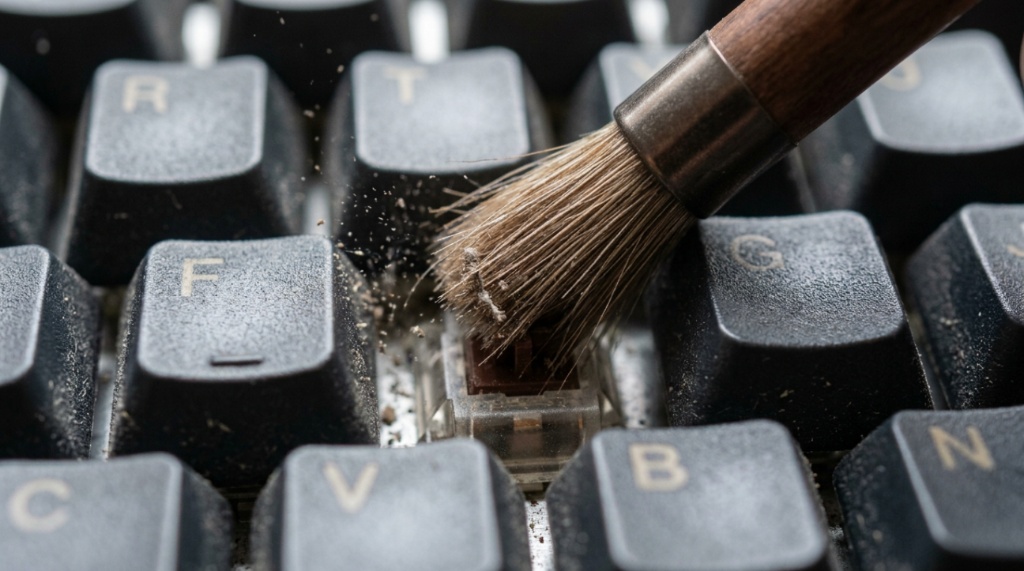
Mastering a quick, safe cleaning routine is the best way to keep your gear in top shape. First, shut down your computer and unplug your keyboard to avoid accidental inputs. Second, turn it upside down and gently tap the back to dislodge loose debris. Third, use a compressed air blower to remove particles from between keys. Fourth, wipe the surface with a lightly dampened microfiber cloth. Finally, let it air dry for 10 minutes before plugging it back in.
Step-by-Step Guide for Deep Cleaning
If you have time, deep clean once a month. Start by taking a photo of your keyboard to remember key placement. Use a keycap puller to remove all caps and place them in a bowl of warm soapy water. While the caps soak, use a soft brush or air blower on the key switches. Once the caps are dry, wipe the base with an alcohol-dampened cloth. Reattach the caps according to your photo—this process takes 30 minutes but yields impressive results.
How Often Should You Clean Your Keyboard in Missouri?
Experts recommend a surface wipe every three days and a deep clean every two weeks in dusty environments. However, if you eat at your desk or have pets, you may need to increase the frequency. In Missouri’s climate, seasonal pollen spikes in April and fall leaf debris in October dictate more frequent maintenance. Listen to your keyboard—if you see visible dust, it’s time to act.
Top 3 Affordable Cleaners Recommended by Missouri Tech Pros
I reached out to a few IT technicians in the region to see what they actually use. Surprisingly, they all avoid expensive “keyboard cleaner” branding and opt for generic tools. Their top recommendations are the UZBO Rechargeable Air Duster ($25), Dell Professional Cleaning Kit ($19), and the iFixit Cleaning Kit ($28). Each offers a balance of price and performance that fits a budget-conscious lifestyle.
Reviewing the UZBO Rechargeable Air Duster
This tool generates 3200 RPM blowing power, which is equivalent to canned air but without the waste. It has a USB-C charging port and comes with multiple nozzles. The battery lasts for about 10 minutes of continuous use, which is enough for several cleanings. The only downside is its weight (about a pound), but pros appreciate the consistent pressure.
Why the iFixit Kit Is Worth the Splurge
Even though it’s at the top of the budget range, the iFixit kit includes safe opening tools, brushes, and a specialized cleaning solution. It’s an excellent choice if you own multiple devices like game controllers, phones, and laptops. The kit’s modular design allows you to replace any worn components, making it a sustainable option that aligns with 2026’s zero-waste trends.
Are There Hidden Costs with Cheap Cleaners?
Yes, very cheap cleaners often come with hidden costs. A $3 can of compressed air might cool down and lose pressure halfway through a cleaning, making you buy more cans. Cheap brushes may shed bristles and get caught in your keys. Additionally, off-brand cleaning solutions can contain solvents that strip the coating off your keycaps, causing them to become shiny and worn. Always read ingredient labels and user reviews before purchasing.
Assessing the True Cost of Canned Air
While a single can costs $8–10, its lifespan depends on usage. A typical can lasts for 5–10 minutes of actual spraying. If you do a thorough clean every month, that’s about 12 cans a year, costing $120. In contrast, a $30 electric blower lasts for years and pays for itself in three months. For a truly affordable keyboard cleaners Missouri strategy, switch to rechargeable options to avoid recurrence of expenses.
The Pros and Cons of Buying a Cleaning Kit
Kits range from $10 to $30 and include brushes, cloths, and solution. They are convenient and ensure compatibility, but often contain more than you need. I recommend buying individual items to reduce waste and cost. However, if you prefer a streamlined workflow, a kit from a reputable brand is a reasonable splurge.
How to Maintain a Clean Keyboard on a Strict Budget
Set a dedicated cleaning day, such as the first Sunday of each month, to stay consistent. Use a routine that takes less than 15 minutes: unplug, shake, blow, and wipe. Keep a small cleaning kit in your desk drawer or backpack so you can spot-clean after snacks. Consistency is more important than intensity; even a light weekly swipe prevents stubborn buildup.
Utilizing Free Resources in Missouri
Many public libraries in St. Louis and Kansas City host free electronics workshops where you can learn repair skills. Additionally, some community colleges offer low-cost classes on device maintenance. Taking advantage of these resources can save you money on professional repairs. You’ll also gain the confidence to tackle minor issues yourself, regardless of your technical background.
The Psychological Benefits of a Clean Workspace
Numerous studies show that a clean, organized desk improves focus and reduces stress. A sparkling keyboard feels more satisfying to type on, potentially increasing your productivity. When you care for your tools, you value your work more. This holistic benefit is why investing time in cleaning, even on a budget, yields high returns.
Frequently Asked Questions
Can I use a regular vacuum cleaner on my keyboard?
It’s not recommended because full-size vacuums generate too much suction and can pull off keys. Use a small electronics vacuum or a compressed air blower specifically designed for keyboards to avoid damage.
How do I disinfect my keyboard without damaging it?
Lightly dampen a microfiber cloth with 70% isopropyl alcohol and wring it out well. Wipe the surface gently, avoiding dripping liquid into the switches. Let it air dry completely before using. This kills most bacteria and viruses safely.
Is it cheaper to buy a new keyboard or clean an old one?
Cleaning is cheaper if your keyboard is less than five years old and not physically damaged. A $10 cleaning kit can extend its life for years. However, if keys are unresponsive or the board has corrosion, replacement is more cost-effective.
What is the best way to remove sticky residue from a soda spill?
First, power off and unplug. Remove the keycaps if possible and soak them in warm soapy water. Wipe the switch area with a slightly damp alcohol cloth. For stubborn residue, use a cotton swab dipped in isopropyl alcohol but squeeze out excess liquid.
Are electric air blowers safe for all keyboard types?
Yes, most low-pressure electric blowers are safe for laptops and mechanical keyboards. They produce controlled airflow that doesn’t exert excessive force. Always use the narrow nozzle to target specific areas without blowing debris into narrower crevices.
Can household items like a toothbrush work safely?
A clean, dry, soft-bristled toothbrush can work for simple dusting, but it carries a risk of scratching surfaces if too rough. Use a makeup brush or dedicated electronics brush with anti-static bristles for better safety and effectiveness.
Conclusion
Finding affordable keyboard cleaners Missouri boils down to shifting your mindset from instant purchase to long-term investment. As we’ve explored, a combination of a $25 rechargeable air blower, a $4 microfiber cloth, and a simple DIY alcohol solution covers all your bases for under $30. This toolkit handles everything from pollen dust to BBQ crumb disasters while being gentle on your device. Remember to adapt your routine based on Missouri’s weather patterns and avoid harsh household chemicals like Windex or vinegar that can do more harm than good. Your keyboard is a vital tool—treat it with care, clean it regularly, and it will serve you faithfully for years to come.
Don’t wait until sticky keys slow you down. Start with a simple shake and a dry wipe today, and order a quality blower tomorrow. Your future self (and your fingertips) will thank you. If you’re ready to make a purchase, browse local stores or online marketplaces to find the best deals, and always compare prices between retailers like Walmart, Best Buy, and Amazon.